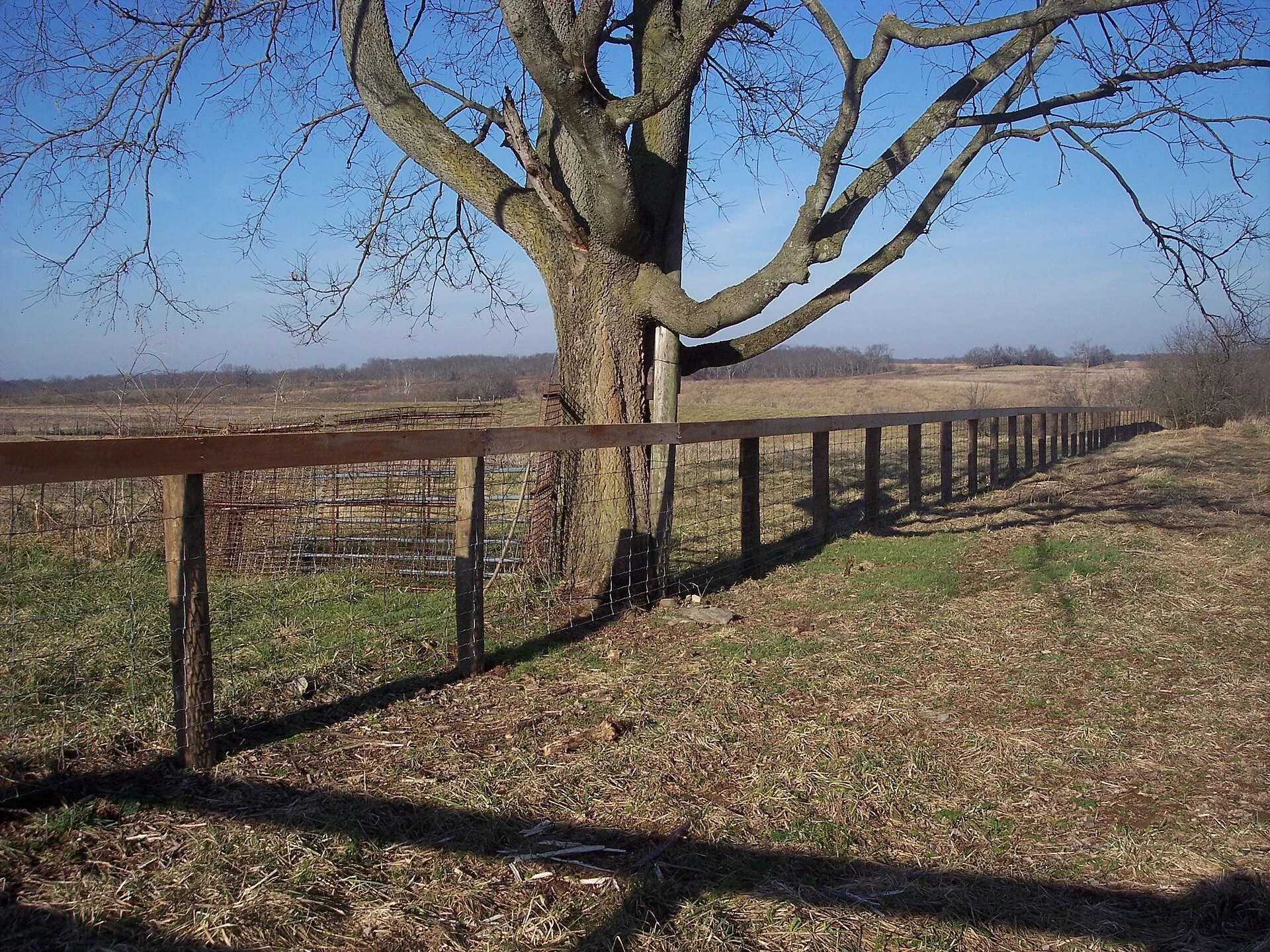
American hackberry
Nettletree
Beaverwood
Northern hackberry
IUCN: Least Concern
#6F604C
#7F9FC4
#31271E
#4F678B
#597DB2
Plant palette
Celtis occidentalis (Common Hackberry) - Characteristics & Uses
The deeply ridged, cork-like bark of Celtis occidentalis resembles miniature geologic palisades, offering a striking textural display in the winter landscape. Native to the river valleys and limestone-rich soils of North America, this resilient tree has seamlessly adapted to both wild forests and bustling urban environments. Its remarkable tolerance to drought, pollution, and strong winds has made it a favored choice for street plantings across the globe.
Historically, the common hackberry held significant cultural value for indigenous peoples, who harvested its nutrient-dense berries. Today, the tree remains an ecological cornerstone, providing shelter and sustenance for a myriad of bird species. It also serves as the primary larval host for the hackberry emperor butterfly, cementing its importance in local ecosystems.
Celtis occidentalis is a medium-to-large deciduous tree that typically reaches heights of 9 to 15 meters, though it can grow significantly taller in optimal conditions. The most defining characteristic is its bark, which is light brown or silvery-gray and develops thick, wart-like protuberances and corky ridges as the tree matures. Branches are slender and often pendulous, forming a rounded crown.
The leaves are alternately arranged, measuring 5 to 12 centimeters in length. They are distinctly asymmetrical at the base, ovate to ovate-lanceolate in shape, with a sharply acuminate tip and serrated margins. The upper leaf surface is bright green and noticeably rough to the touch, while the underside is paler and slightly hairy along the veins.
The flowers are small, greenish, and lack petals, appearing in early spring alongside the newly emerging leaves. Celtis occidentalis is polygamo-monoecious, bearing male, female, and perfect flowers on the same tree. The resulting fruit is a small, fleshy drupe that transitions from orange-red to a deep, dark purple when fully ripe in the fall, persisting on the bare branches throughout the winter.
Flowering season
Flowers emerge in mid-spring, typically appearing in May alongside the new foliage.
Jan
Feb
Mar
Apr
May
Jun
Jul
Aug
Sep
Oct
Name
Dec
Applications
The wood of Celtis occidentalis is light yellow, heavy, and relatively soft. Due to its susceptibility to rot, it holds limited commercial timber value and is primarily utilized for firewood, cheap furniture, and agricultural fencing. However, its true value lies in arboriculture and urban planning.
Because of its exceptional adaptability to compacted soils, pollution, and drought, the tree is widely planted in cities worldwide. Indigenous communities of North America, including the Omaha, Dakota, and Pawnee, utilized the highly nutritious, pea-sized berries. The fruits were consumed raw or pounded into a fine paste, seeds included, to flavor meat and corn dishes.
Interesting facts
The endocarp (the hard inner shell of the fruit) contains significant amounts of biogenic carbonate, which is composed of nearly pure aragonite.
In the city of Montreal, Canada, over 10,000 Celtis occidentalis specimens are planted along the streets.
The tree is extensively utilized for urban landscaping in Eastern Europe; the cities of Sombor in Serbia and Bratislava in Slovakia are renowned for their long avenues of hackberry trees.
The leaves frequently host small galls created by insects of the genus Pachypsylla, which alter the leaf appearance but cause no serious harm to the tree's overall health.
Varieties and cultivars
Several cultivars of Celtis occidentalis have been selected for specific growth habits and urban tolerance.
'Chicagoland': A fast-growing selection with a strong, central leader and larger leaves.
'Windy City': Known for its uniform growth and excellent golden-yellow autumn coloration.
'Prairie Pride': Features a compact, oval crown and thick, dark green foliage.
'Prairie Sentinel': A tightly columnar form, ideal for narrow city streets.
'Delta': Highly adaptable to extreme urban conditions, displaying exceptional tolerance to pollution and poor soils.