Celtis (Hackberry): Resilient Trees of the Hemp Family
Deep in the sun-baked, rocky soils of Mediterranean cliffs and across the dry valleys of North America, the wind plays through the tough, serrated foliage of trees that have witnessed the rise and fall of ancient empires. Known as hackberries or nettle trees, these resilient members of the genus Celtis are celebrated for their ability to thrive where other trees wither under the scorching sun.
For centuries, their sweet, date-like drupes have sustained indigenous peoples and wild birds alike, bridging the gap between historical survival and ecological necessity. Their uniquely rough-textured leaves and deeply furrowed bark make them a striking presence in both forest canopies and modern urban avenues.
These deciduous and semi-evergreen woody plants demonstrate an extraordinary adaptability, claiming habitats from temperate riverbanks to tropical uplands. As members of the Cannabaceae family, they showcase a remarkable evolutionary journey that dates back to the Paleocene epoch.
The structural architecture of Celtis is characterized by a medium to large growth habit, typically reaching heights between 10 to 25 meters, though exceptional specimens can soar to 40 meters. Their trunks are clad in smooth, greyish bark that often develops distinctive corky warts or deep ridges as the trees mature.
The foliage and reproductive organs display several diagnostic features:
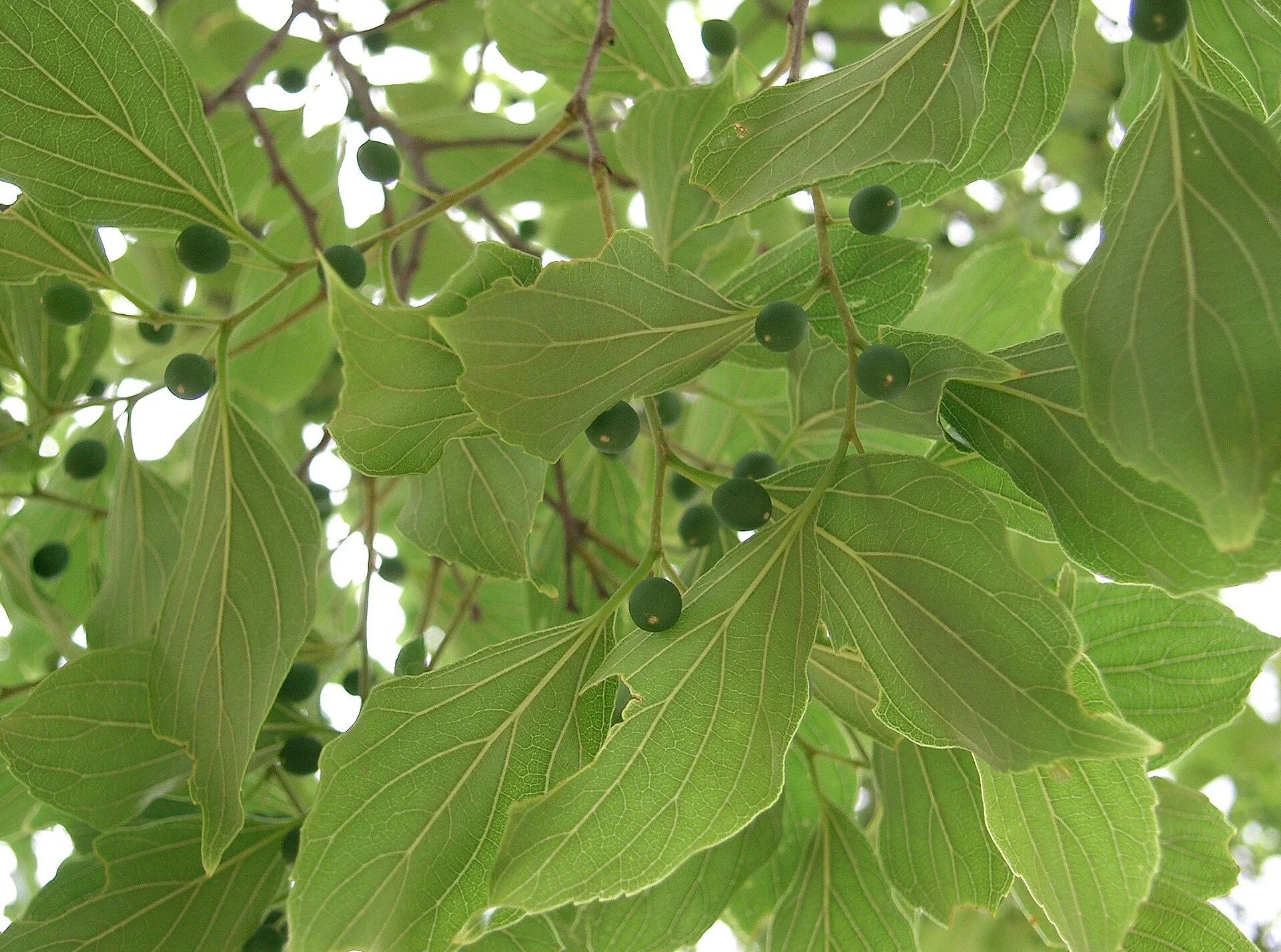
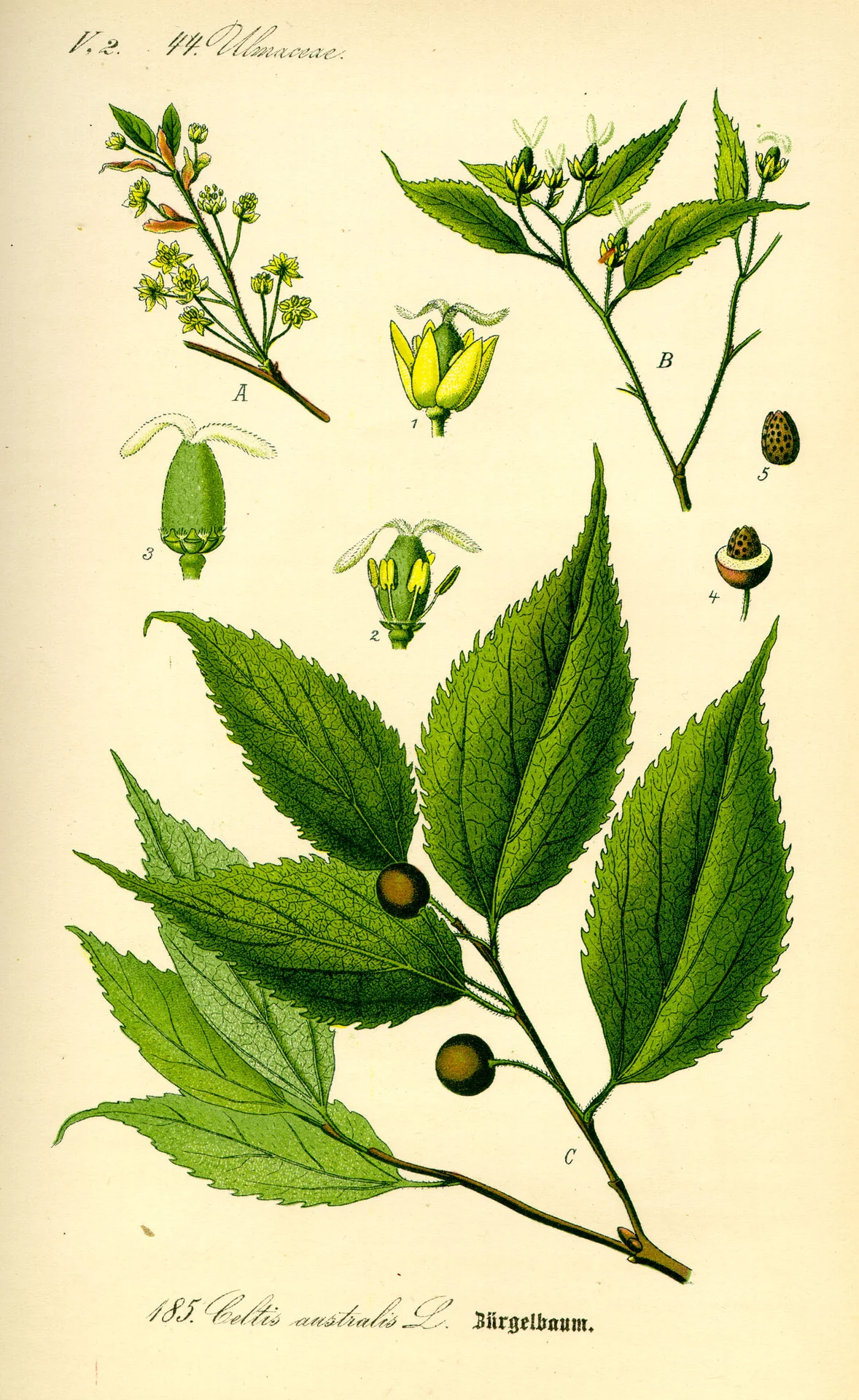
Leaves: Alternately arranged and simple, measuring 3 to 15 centimeters in length, with ovate-acuminate shapes, asymmetric bases, and sharply serrated margins.
Flowers: Small and wind-pollinated, appearing in early spring alongside developing leaves, with staminate flowers arranged in loose clusters and pistillate flowers developing individually.
Fruit: A globose or ovoid drupe, 6 to 10 millimeters in diameter, containing a thin, sugary, edible pulp surrounding a single hard, pitted stone.
Flowering season
Flowers appear in early spring while the leaves are still developing, typically between March and May.
Jan
Feb
Mar
Apr
May
Jun
Jul
Aug
Sep
Oct
Name
Dec
Applications
The durable and flexible timber of Celtis has long been prized for specialized woodworking and utility construction. Historically in Europe, the tough wood of the European nettle tree was heated and bent to craft traditional three-pronged agricultural forks, whips, and tool handles.
In traditional medicine, various parts of these trees have been utilized to treat diverse ailments:
Gastrointestinal support: Infusions of bark and leaves have been traditionally administered in Mediterranean regions to alleviate colic, dysentery, and ulcers.
Indigenous remedies: Native American tribes, including the Omaha and Dakota, utilized decoctions of hackberry bark to soothe sore throats.
Urban landscaping: Thanks to their exceptional drought tolerance and resilience to air pollution, several species are widely planted to shade urban streets and control soil erosion.
Interesting facts
Ancient human relationships with Celtis are deeply etched in archaeological records across the globe. Petrified seeds discovered in the Laili Cave on East Timor suggest that early humans actively harvested and consumed these sweet berries during prehistoric times.
Other fascinating aspects of these trees include:
Fossil heritage: The evolutionary history of the genus is exceptionally ancient, with leaf impressions and fossilized stones dating back to the Paleocene in North America and the Miocene in Europe.
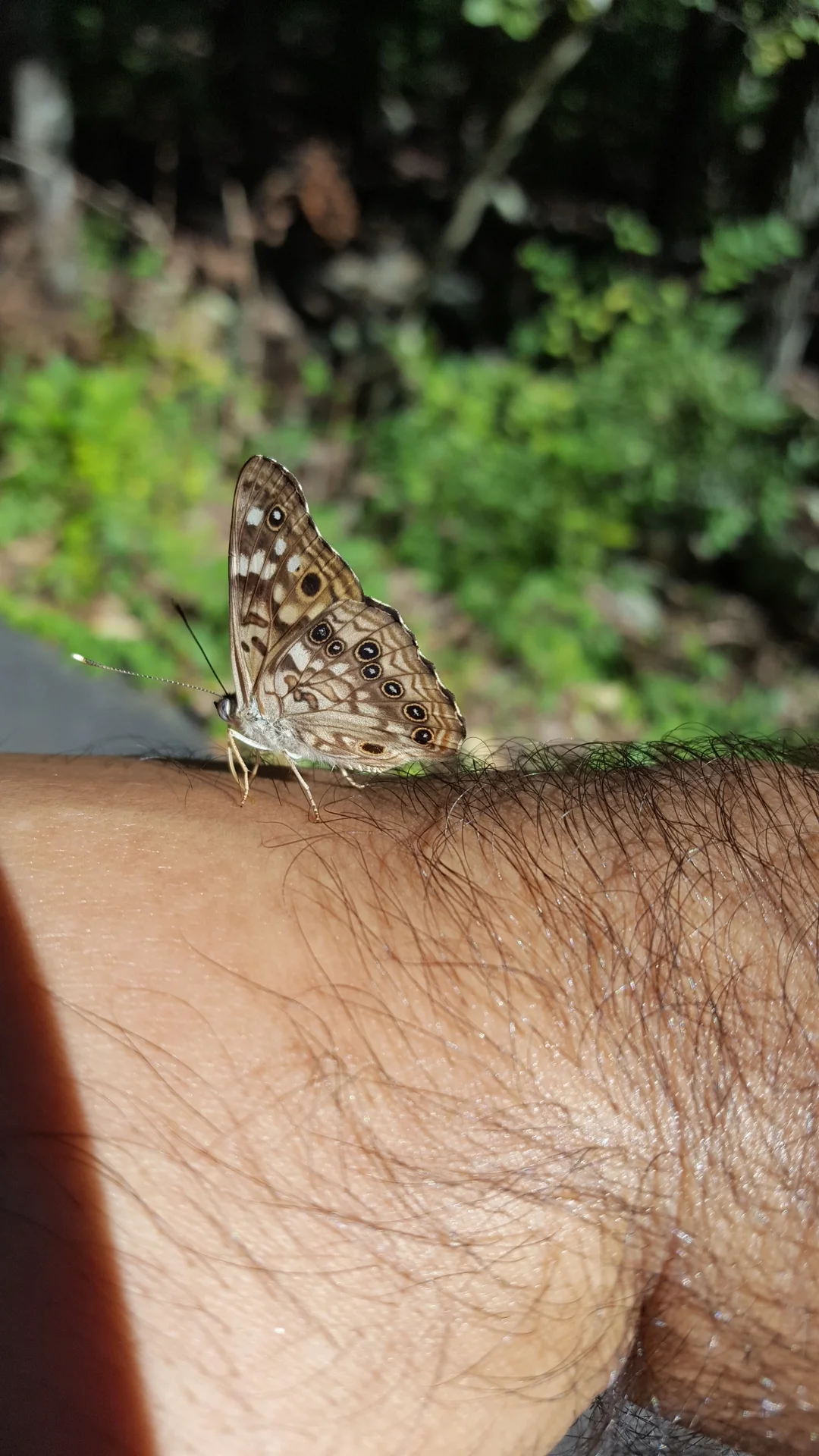
Lepidoptera host: Hackberries serve as a critical ecological nursery, hosting the caterpillars of distinct butterflies like the hackberry emperor (Asterocampa celtis) and the European beak (Libythea celtis).
Bonsai culture: The Chinese hackberry (Celtis sinensis) is highly revered in Asian horticultural art, with a historic specimen in Daegu-myeon designated as a natural monument of South Korea.