
Growing Apple of Peru Seeds in Canada: Sowing & Care Guide
Master growing Apple of Peru from seeds in Canada. Discover indoor sowing calendars, frost timing, and care tips for striking botanical lantern blooms.
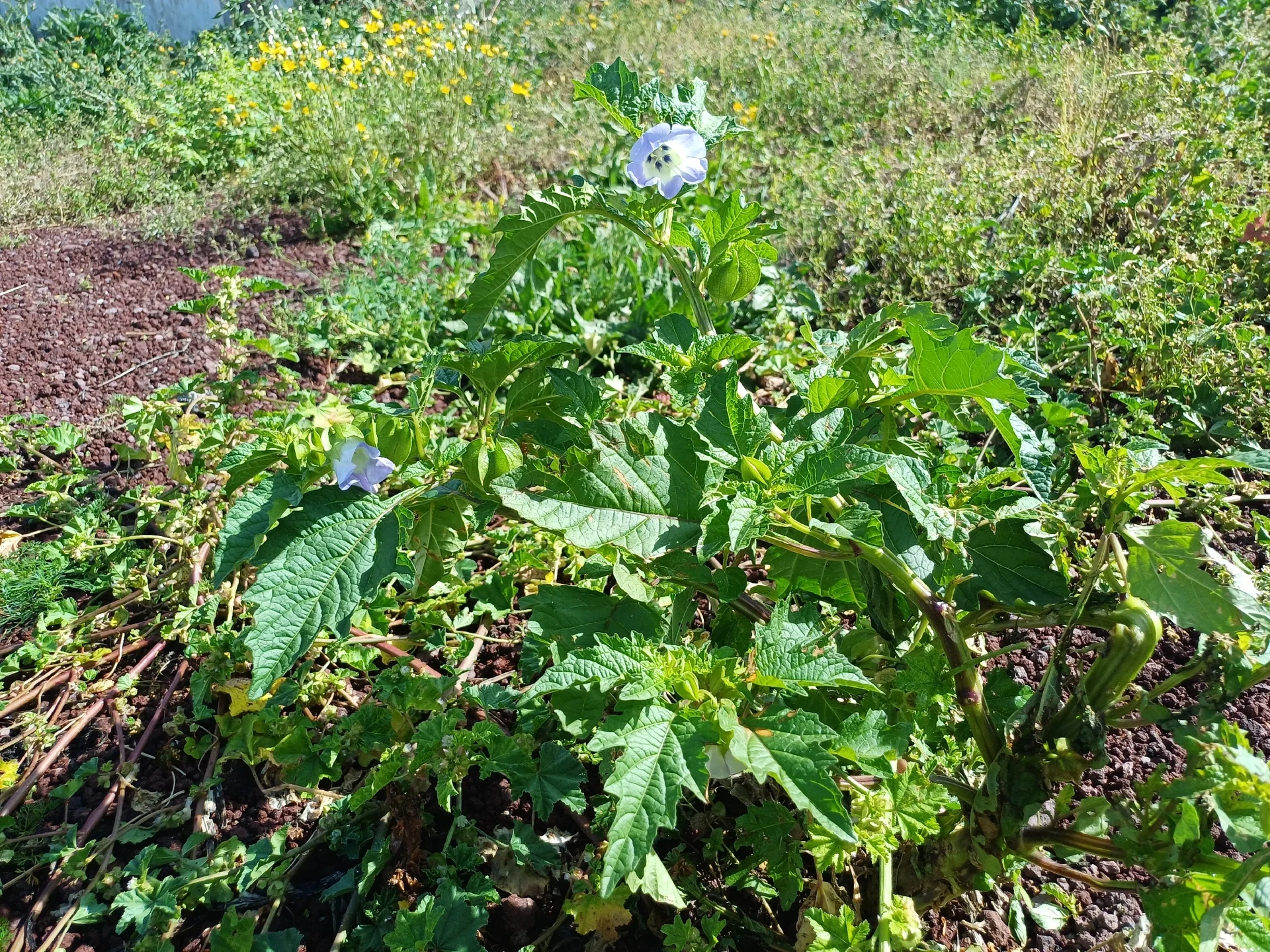
This herbaceous annual attracts attention due to its distinctive bell-shaped flowers and inflated fruiting calyxes. Originally documented under various taxonomic names, it shares historical classification links with other prominent nightshades. Its unique morphology and chemical properties have made it a subject of interest in both traditional pharmacology and botanical studies.
The vegetative structure of this plant features erect, heavily branched stems that can reach heights of up to one meter. Ovate leaves with coarsely dentate margins are arranged alternately along the stems, displaying a rich green coloration.
Its reproductive organs consist of solitary, axillary flowers boasting a campanulate corolla. The petals typically showcase pale blue to lavender hues with a distinct white center, attracting various insect pollinators. As the fruit develops, the outer calyx expands dramatically to form a five-angled, bladder-like structure enclosing a spherical berry.
Mid-summer to early autumn
Traditional practices occasionally employ extracts from this species as a natural insect repellent due to its specific chemical constituents. Some gardeners plant it selectively in ornamental borders to deter pests. However, its high concentration of active alkaloids warrants extreme caution during handling.
The inflated calyx closely resembles the husk of a tomatillo or groundcherry, protecting the developing seeds from predators. Its popular moniker, the shoo-fly plant, stems from historical beliefs that crushed leaves could repel domestic flies. Scientific research has isolated unique steroidal lactones called withanolides from its tissues, which contribute to its insecticidal properties.
Master growing Apple of Peru from seeds in Canada. Discover indoor sowing calendars, frost timing, and care tips for striking botanical lantern blooms.

Wondering if Apple of Peru is a weed? Discover why Apple of Peru is invasive, its toxic risks, and practical steps to eradicate Apple of Peru weed for good.

Discover how to plant Apple of Peru with optimal spacing, light requirements, and seed sowing advice for vigorous growth and stunning violet blooms.

Uncover whether the apple of peru is edible or toxic. Learn critical identification differences between Nicandra physalodes and edible physalis species before picking.

Learn how Apple of Peru in Australia spreads through agricultural soils, identify its distinct lantern berries, and eliminate persistent Apple of Peru seeds in Australian pastures.

Discover when to plant Apple of Peru seeds indoors and outdoors. Master sowing schedules, frost dates, and germination steps for healthy lantern blooms.

Atropa bella-donna
Atropa bella-donna, commonly known as deadly nightshade, is a highly toxic perennial herbaceous plant in …

Atropa caucasica
A highly toxic perennial herb endemic to the Caucasus, distinguished by its glabrous stems and …

Atropa lutea
A rare, yellow-flowered perennial herb related to the deadly nightshade, belonging to the Solanaceae family.

Picrasma
A genus of deciduous trees and shrubs known for their extremely bitter bark and medicinal …


