Atropa Genus Guide: Deadly Nightshades and Belladonnas
For centuries, the shadowed limestone cliffs of the Mediterranean and the damp forests of Eurasia have harbored a genus of silent potency. Shrouded in myth and named after Atropos, the Fate who cuts the thread of life, these perennials have commanded both fear and respect.
The dark allure of Atropa lies in the deceptive beauty of its glossy, cherry-like berries that hide a dangerous toxicity. Historically associated with witchcraft and ancient rituals, the genus continues to be a subject of intense scientific study due to its powerful chemical compounds.
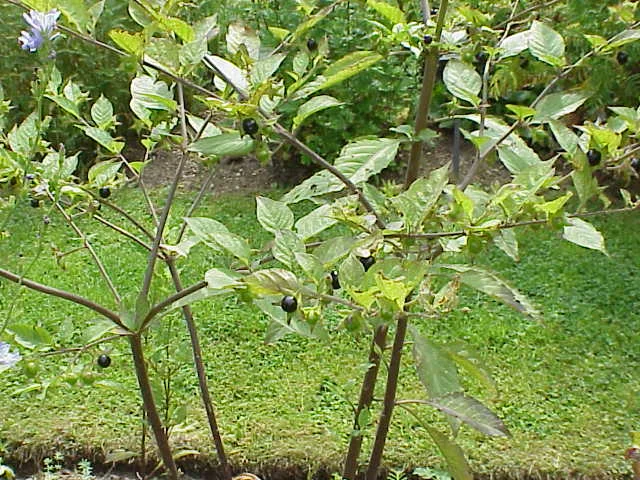
Members of the Atropa genus are robust, rhizomatous herbaceous perennials that can reach heights of up to 2 meters. Their growth habit features erect stems that are either glabrous or covered in sticky, glandular hairs.
The vegetative and reproductive features of these plants include several distinct characteristics:
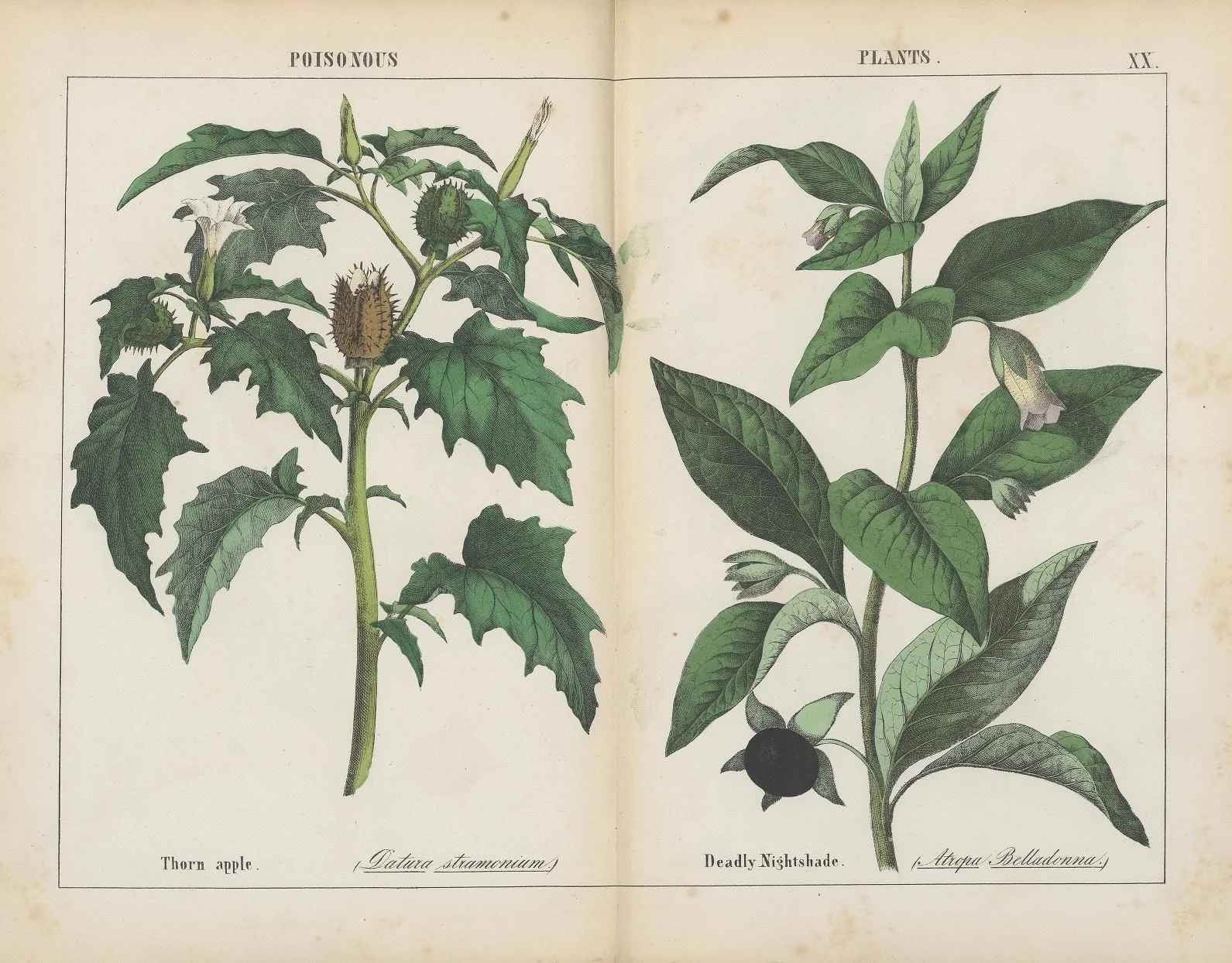
Leaves: Simple and alternate on the lower stem, transitioning to unequal pairs higher up, with ovate to elliptic shapes and short petioles.
Flowers: Typically solitary, nodding or erect, featuring a bell-shaped or funnel-shaped corolla in shades of dull purple, pale violet, or yellow.
Fruit: Glossy, globose berries that turn deep black or occasionally yellow when ripe, supported by a persistent and enlarged calyx.
Seeds: Numerous kidney-shaped seeds with a minutely pitted surface texture, numbering up to 160 per berry in some species.
Flowering season
Blooms during the summer months, typically from June to August.
Jan
Feb
Mar
Apr
May
Jun
Jul
Aug
Sep
Oct
Name
Dec
Applications
The primary value of the genus lies in its rich yield of tropane alkaloids, particularly atropine, scopolamine, and hyoscyamine. These compounds are widely utilized in modern pharmacology for their anticholinergic and antispasmodic properties.
Historical and modern uses of these plants encompass several fields:
Medicine: Active alkaloid extracts serve as vital ingredients in ophthalmology for pupil dilation and as treatments for gastrointestinal colic, asthma, and stomach ulcers.
Cosmetics: During the Renaissance, Italian women used belladonna extracts as eye drops to dilate their pupils for cosmetic appeal, coining the term "beautiful lady."
Pigments: Ripe berries have been historically processed to extract purple pigments, while green dyes were obtained from the unripe fruits for miniature paintings.
Interesting facts
The genus is steeped in dark folklore and mythological associations. Its name directly references Atropos, the ancient Greek Fate responsible for cutting the thread of human life, highlighting its fatal toxicity.
Intriguing cultural and regional facts about these plants include:
Dionysian Rituals: Ancient Greeks reportedly infused wine with belladonna and ivy to induce wild, ecstatic states during religious ceremonies.
Witches' Flying Ointments: During the Middle Ages, these plants were combined with hemlock and henbane to create hallucinogenic ointments used in occult practices.
Endangered Endemics: The Spanish species Atropa baetica is protected under the Bern Convention, while Atropa komarovii is a rare relic endemic to the Kopet Dag range.
Spotted an unfamiliar sprout? Discover how to identify a deadly nightshade young plant instantly before toxic berries appear, with key leaf and stem markers.
Uncover the vital differences in the atropa belladonna vs amaryllis belladonna comparison. Learn to identify toxic Deadly Nightshade versus ornamental Belladonna Lilies.
Master the precise germination of Atropa belladonna seeds with cold stratification, optimal substrate mix, and safe handling techniques for successful propagation.
Can you eat deadly nightshade berries or make Atropa belladonna jam? Uncover severe belladonna tea effects, fatal juice myths, and why these sweet-tasting berries are deadly.
Is that climbing weed a deadly nightshade vine or bittersweet nightshade? Compare deadly nightshade vs woody nightshade flowers, berries, and toxicity profiles.
Does deadly nightshade make you hallucinate? Explore the dangerous reality of atropine poisoning, anticholinergic delirium, and the severe risks of belladonna drug use.
Discover where deadly nightshade grows wild across native woodlands and limestone soils. Explore the precise habitat preferences, soil requirements, and natural locations of Atropa belladonna.
Discover the primary types of deadly nightshade and rare varieties of belladonna. Compare floral morphology, alkaloid toxicity, and diagnostic field traits.
Distinguish Atropa belladonna from common wild berries and harmless forage. Learn key stem, leaf, sepal, and fruit markers to avoid fatal identification errors.
Learn to distinguish deadly nightshade vs blueberries before foraging. Our botanical guide breaks down Atropa belladonna vs blueberry identification step-by-step.
Are belladonna lilies poisonous? Discover why every part of the belladonna lily is poisonous, spot key symptoms in pets and humans, and act fast with first-aid steps.
Discover where deadly nightshade is native to. Explore the true Atropa belladonna range, native habitats, origin, and growing regions across Europe and Asia.
Understand why deadly nightshade and dogs form a hazardous pairing. Recognize early belladonna poisoning signs, vital emergency steps, and vet care for dogs.
Curious about deadly nightshade in Canada? Learn where Atropa belladonna grows in Ontario, how to identify true belladonna, and recognize native lookalikes.
Master the ideal deadly nightshade zone requirements for Atropa belladonna. Discover USDA hardiness zone boundaries, temperature limits, and winter care.
Learn how to manage a deadly nightshade container with optimal pot selection, alkaline soil recipes, root isolation techniques, and essential safety protocols.
Wondering if Atropa belladonna is illegal in your area or whether you can buy belladonna seeds legally? Explore complete legal, sourcing, and zoning rules.
Can you spot the difference between deadly nightshade, tomatoes, and potatoes? Discover key botanical markers, toxic alkaloid risks, and field identification tips.
Discover expert techniques for planting belladonna lily bulbs, including optimal depth, sun exposure, and seasonal dormancy care to guarantee vibrant fall flowers.
Discover where deadly nightshade grows in the US. Learn to identify Atropa belladonna in Oregon, Ohio, and Wisconsin while distinguishing it from native lookalikes.
Explore how tomatoes, eggplants, and peppers connect to deadly nightshade family foods. Learn safe handling, solanine reduction, and botanical distinctions.
Discover proven deadly nightshade removal techniques. Learn how to identify, safely extract, and permanently eliminate deadly nightshade weed from your garden.
Learn whether Delphinium belladonna is poisonous to humans and pets. Explore toxic alkaloid profiles, symptoms of exposure, emergency first aid, and safe garden practices.
Explore how deadly nightshade adaptations drive Atropa belladonna's survival, from chemical warfare via tropane alkaloids to clever animal vector tactics.
Master deadly nightshade identification with critical visual markers. Discover what a belladonna plant looks like, from berry stems to toxic foliage traits.
Can you touch deadly nightshade safely? Discover what happens during deadly nightshade skin contact, rash symptoms, allergy risks, and vital first aid steps.
Discover what makes belladonna poisonous. Explore the chemical constituents of Atropa belladonna, deadly nightshade toxins, and key anticholinergic alkaloids.
Explore the unique deadly nightshade smell, from faint sweet blossoms to acrid crushed leaves, along with essential olfactory safety tips for botanists.
Uncover the spiritual belladonna lily flower meaning and deep amaryllis belladonna symbolism. Learn how to grow, handle, and gift this stunning autumn bloom.
Learn how deadly nightshade impacts horses, recognize early tropane alkaloid poisoning symptoms, and implement immediate veterinary emergency care and pasture control.
Discover where deadly nightshade grows in the UK and Ireland. Explore the Atropa belladonna UK map, key identification features, habitats, and toxicity risks.
Recognize deadly nightshade effects on humans and belladonna poisoning symptoms early. Learn what happens if eaten, toxic progression, and emergency protocols.
Discover how women created deadly nightshade eyes using belladonna eye drops in the Victorian era. Uncover the dangerous cosmetic history, optical science, and visual allure.