Theobroma Genus: Botanical Characteristics and Uses
Deep within the humid, shaded understories of South American rainforests, ancient civilizations once discovered a tree whose seeds would change the culinary history of the world. These plants, valued for their rich seeds and sweet pulp, were considered sacred by the Maya and Aztecs.
The name of this botanical group translates from Greek as "food of the gods," highlighting its legendary status. Today, several species within this group are cultivated globally for their high economic and cultural value.
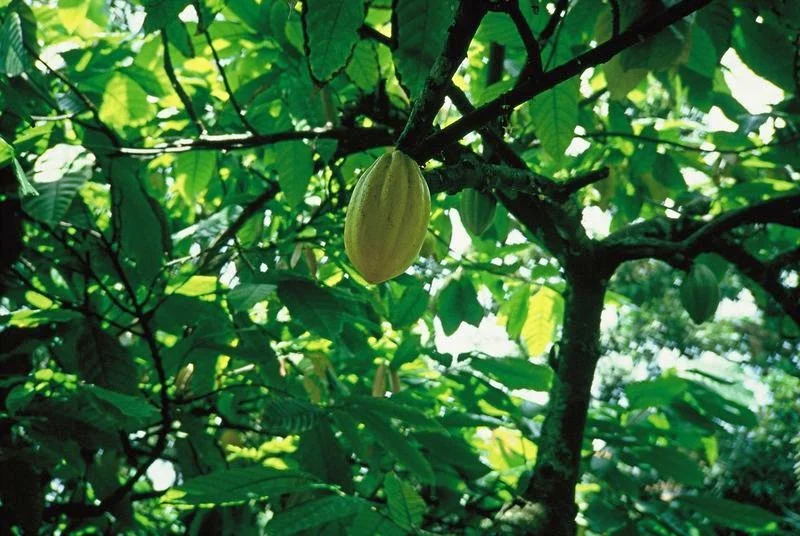
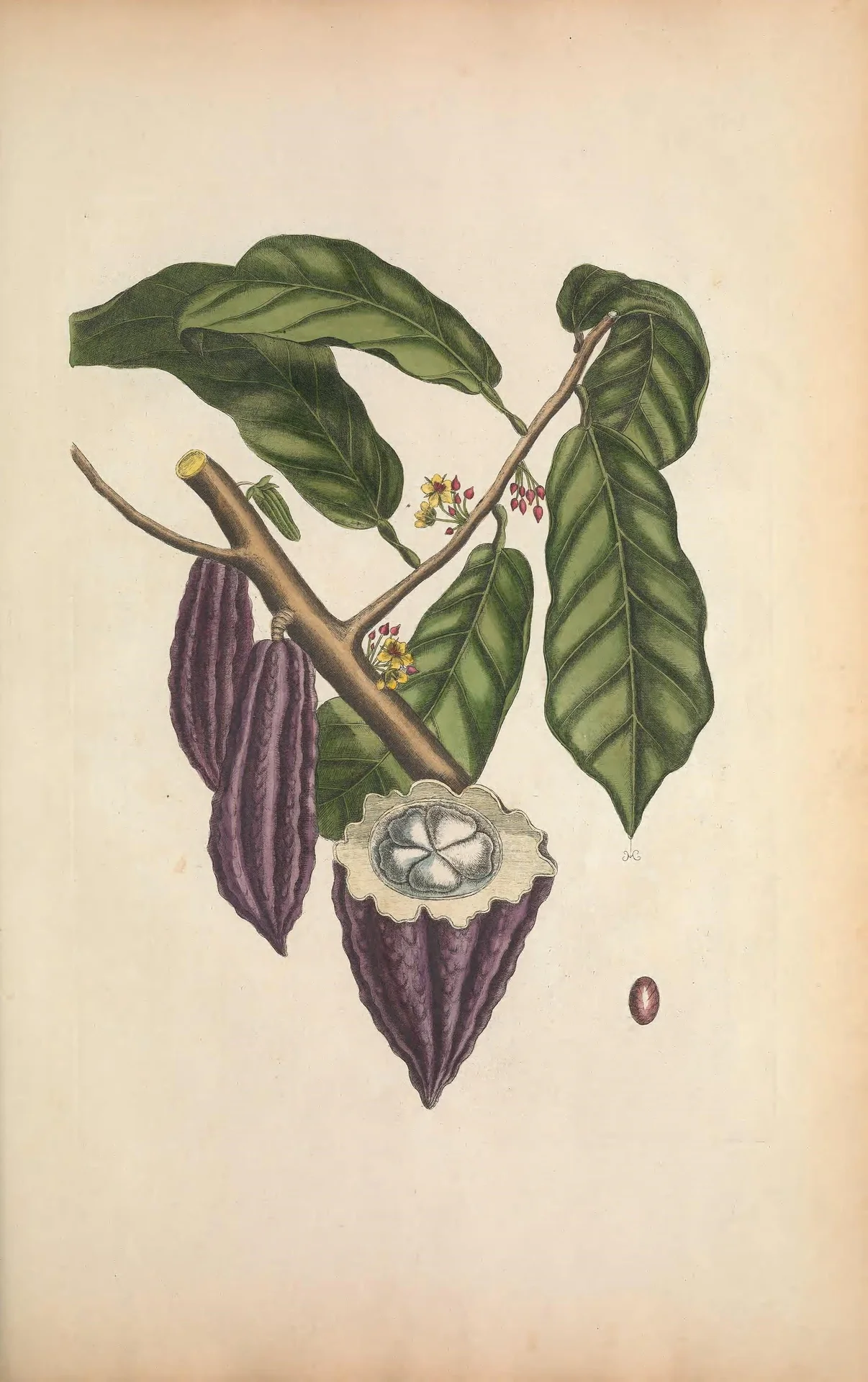
Members of this genus are typically small to medium-sized evergreen trees, reaching heights of five to eight meters in the forest understory. Their leaves are simple, alternate, and large, with an oblong or ovate shape that helps capture limited light beneath the canopy.
The small, actinomorphic flowers exhibit cauliflory or ramiflory, blooming directly on the trunk or older branches to facilitate pollination by tiny insects. Each flower features five sepals and five hooded petals, which can vary in color from pale yellow to deep purple.
The resulting fruit is a large, woody, indehiscent berry containing numerous seeds embedded in a sweet, mucilaginous pulp. These seeds, rich in the alkaloid theobromine, are the primary focus of cultivation and processing.
Flowering season
Blooming occurs continuously throughout the year under tropical conditions.
Jan
Feb
Mar
Apr
May
Jun
Jul
Aug
Sep
Oct
Name
Dec
Applications
The seeds of these trees are globally celebrated as the essential raw material for producing cocoa powder and chocolate. Additionally, the sweet, aromatic fruit pulp of species like cupuaçu is widely consumed fresh or used to prepare juices, jellies, and desserts.
Beyond culinary uses, the seed fats are extracted to produce cocoa butter, a valuable ingredient in cosmetics and pharmaceuticals. Locally, the seeds are also utilized to formulate traditional beverages and remedies.
Interesting facts
The scientific naming by Carl Linnaeus in 1753 directly honors the sacred role of the plant in Mesoamerican cultures, translating to the "food of the gods." The active alkaloid found in the seeds, theobromine, also derives its name from this genus.
In their natural habitat, these trees rely on a unique ecological partnership with local wildlife. Key facts include:
Animal Dispersal: Monkeys and rodents chew through the tough outer pods to eat the sweet pulp, dispersing the seeds throughout the forest floor.
Insect Interactions: The larvae of the moth Hypercompe muzina feed exclusively on the foliage of the cacao tree.
Low Pollination Rate: Although a single tree can produce thousands of flowers annually, only about five percent are successfully pollinated.
Master how to plant gmelina tree seeds and saplings with precision. Discover optimal soil preparation, spacing, scarification techniques, and early care for rapid white teak growth.
Master Theobroma cacao tree care with expert insights on growing zones, minimum temperatures, indoor setups, fertilizer regimens, and ideal planting distance.
Master growing a tropical cacao tree from seed with optimal thermal ranges, substrate porosity, and moisture control for high-rate Theobroma cacao germination.
Discover how long a cacao tree takes to fruit, expected cocoa tree yields per acre and hectare, and proven techniques for how to harvest cacao pods efficiently.
Are your cacao trees dying from pod rot or leaf wilt? Learn to identify fatal Theobroma cacao diseases early and apply proven organic and chemical treatment protocols.
Explore how cacao tree adaptations to tropical rainforest environments—from cauliflory to drip-tip leaves—allow Theobroma cacao to thrive under dense canopies.
Explore the science-backed health benefits of Theobroma cacao. Learn how raw cacao powder, extracts, and ceremonial elixirs enhance brain power, stem cells, and vitality.
Explore how raw cacao affects kidney function. Learn how flavanols support renal blood flow while balancing oxalate risks with practical dietary protocols.
Understand the grave dangers of Theobroma cacao for dogs. Learn toxic thresholds, early symptoms of methylxanthine poisoning, and emergency steps to save your pet.
Discover why chocolate is poisonous and toxic to monkeys. Learn the grave risks of Theobroma cacao, theobromine toxicity thresholds, and vital emergency care.
Discover the difference between cacao nibs and cacao powder, learn how to melt raw nibs, and select the healthiest cacao nibs for your next cacao ceremony.
Discover how pure Theobroma cacao seed extract and essential oil restore the skin barrier, combat free radicals, and elevate high-performance skincare.
Discover how raw Theobroma cacao aids weight loss through thermogenesis, appetite control, and lipid metabolism. Learn exact dosages and optimal recipes.
Discover how long it takes for a rosewood tree to mature, exploring growth stages, heartwood formation timelines, and practical tips to accelerate tree development.
Discover the true cacao tree growth rate from seedling to peak harvest. Learn how fast Theobroma cacao grows, key development stages, and how to maximize yield.