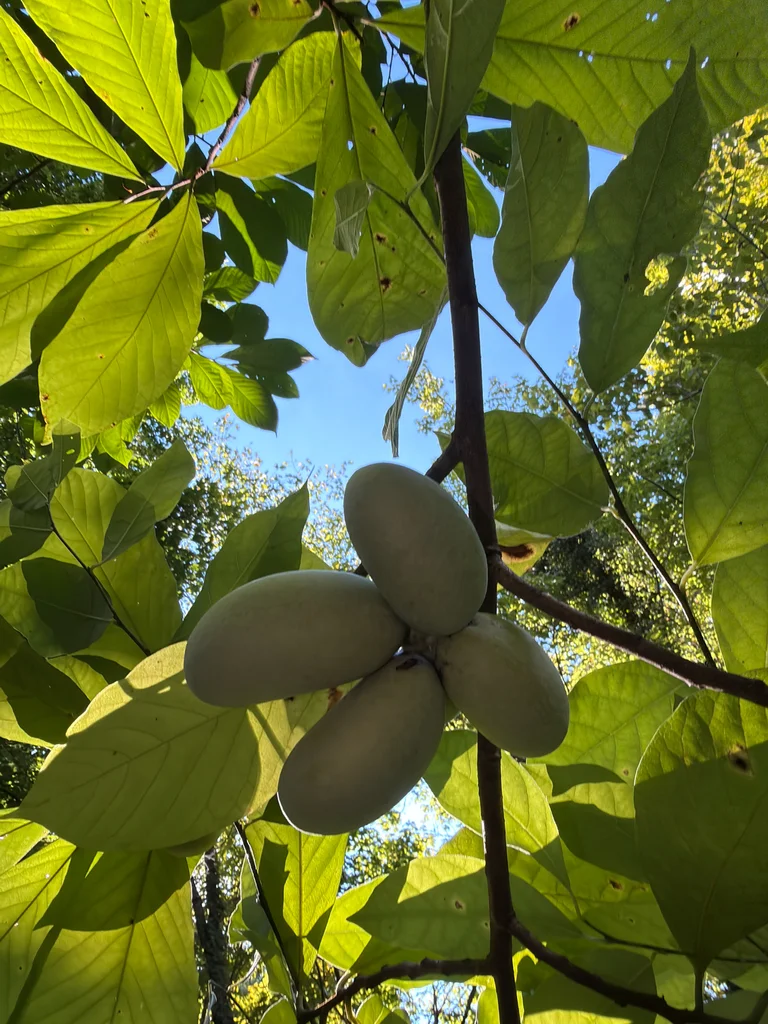
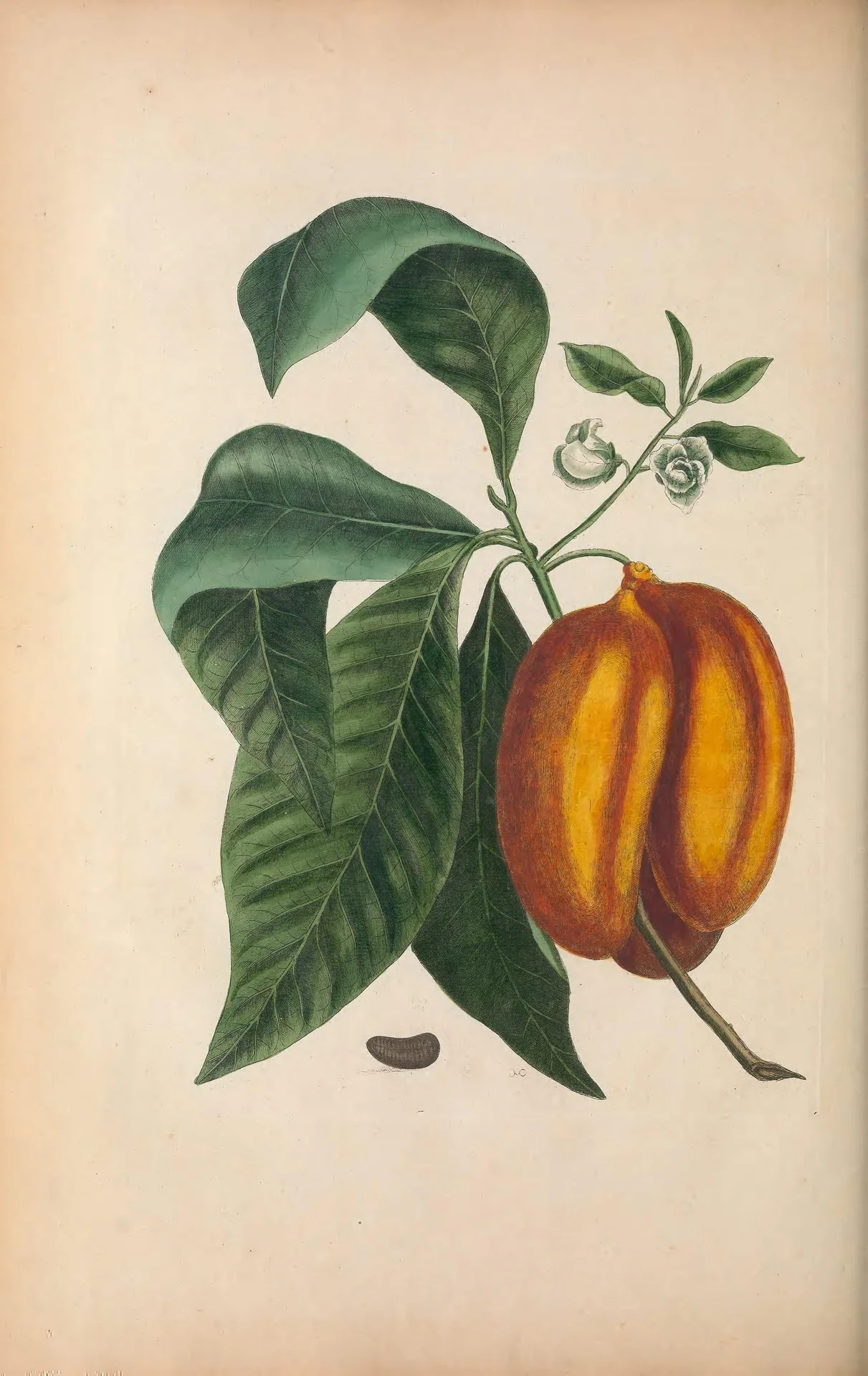
Shaded beneath the dense canopy of North American hardwood forests, the sweet, custard-like scent of ripening pawpaws has lingered for thousands of years. This ancient lineage belongs to the genus Asimina, which represents the only group within the custard apple family (Annonaceae) that successfully adapted to temperate climates.
Members of this genus range from small understory trees to low-growing deciduous or evergreen shrubs. They are celebrated for bearing some of the largest edible fruits native to the North American continent, offering a unique flavor reminiscent of a banana and mango blend.
Because of their high ecological value, these plants serve as essential hosts for specific native wildlife. Today, Asimina species attract growing interest from both conservationists and fruit growers aiming to revitalize native agricultural resources.
The botanical structure of Asimina reveals fascinating adaptations to both temperate and subtropical environments. These woody plants grow as multi-stemmed shrubs or small trees, ranging from 2 to 12 meters in height depending on the specific species.
Their large, simple leaves are arranged alternately along the branches and typically exhibit an obovate shape with entire margins. While northern species are deciduous and drop their leaves in autumn, southern variants often remain evergreen throughout the year.
Key morphological features of the genus include:
Flowers: Large blossoms measuring 4 to 6 centimeters across, featuring three sepals and six petals arranged in two distinct whorls. Their coloration varies from pale white to deep purple or dark maroon.
Foliage: Leaves can reach lengths of 20 to 35 centimeters and widths of 10 to 15 centimeters, emitting a distinct green-pepper aroma when crushed.
Fruit: Large, cylindrical berries weighing up to 500 grams, containing numerous brown seeds embedded in a sweet, protein-rich pulp.
Applications
The primary use of Asimina lies in its edible fruits, which are consumed raw or processed into sweet culinary delights. Local communities utilize the rich pulp to make jams, jellies, and various baked desserts like pies and tarts.
Beyond culinary appeal, the genus holds significant chemical interest due to the presence of active compounds called acetogenins. These natural insecticides are found in the leaves, twigs, and bark of the plants.
Key applications include:
Traditional Medicine: Historical records show Native Americans used powdered seeds as a natural remedy to combat head lice.
Pharmacological Research: Modern scientific studies investigate the bark and leaves for potential anticancer properties and active therapeutic compounds.
Ecological Restoration: Due to their robust root systems, these plants are highly effective for stabilizing wet soils in wetland reclamation projects.
Interesting facts
The historical and ecological journey of Asimina is filled with unique stories spanning centuries. From presidential gardens to prehistoric fauna, these plants have played a silent but significant role in North American history.
Notable facts and historical records include:
Historical Figures: Founding fathers George Washington and Thomas Jefferson both cultivated and enjoyed chilled pawpaw fruits as a dessert.
Survival Food: The famous Lewis and Clark Expedition relied heavily on wild pawpaw harvests to survive during their exploration of the continent.
Evolutionary Anachronism: Scientists believe the large fruits were originally dispersed by now-extinct Pleistocene megafauna that consumed them whole.
Pollination Strategy: The dark flowers emit a faint scent resembling rotting meat to attract carrion flies and beetles for cross-pollination.
Larval Host: The beautiful zebra swallowtail butterfly relies exclusively on the young foliage of this genus to feed its developing larvae.